
Few situations are more overwhelming for a parent than being contacted by the Tennessee Department of Children’s Services (DCS). If DCS is investigating you for failure to protect in Tennessee, you may be surprised to learn that a parent does not necessarily have to personally harm a child to face a dependency and neglect allegation.
Even parents who have never harmed their child themselves can find their rights at risk under Tennessee law.
If you are facing allegations like this, understanding how the law works and what steps to take next can make all the difference.
What Is a Dependency and Neglect Case in Tennessee?
Under Tennessee law, a child may be considered dependent and neglected if they are:
- Without proper parental care or supervision
- Living in conditions that endanger their health or welfare
- A victim of abuse or neglect
- At risk of harm due to a parent or caregiver’s actions—or inaction
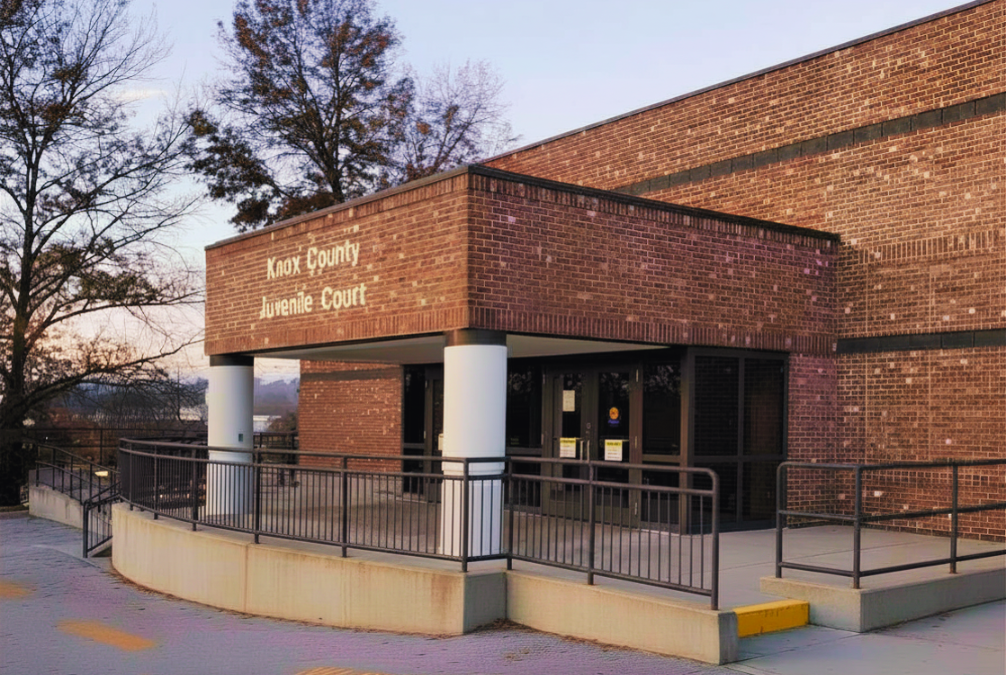
These cases are handled in juvenile court, and they can move quickly. Depending on the situation, the court may:
- Remove a child from the home
- Place the child with another caregiver or foster family
- Order services or supervision for the parent
- Limit or suspend parental rights


What Does Failure to Protect Mean in Tennessee?
“Failure to protect” typically involves a situation where:
- A parent knew or should have known that their child was at risk of abuse or neglect, and
- Did not take reasonable steps to prevent that harm
Importantly, this does not require that the parent personally caused harm to the child.
Common Examples of Failure to Protect Allegations
- Allowing a child to remain around a partner with a history of violence or abuse
- Ignoring signs that a child is being mistreated by another caregiver
- Failing to intervene when dangerous conditions exist in the home
In these situations, DCS may argue that the parent’s inaction placed the child at risk, even if the parent did not intend for harm to occur.
How Tennessee Juvenile Courts Evaluate Failure to Protect
Tennessee courts look closely at several factors:
- What the parent knew (or should have known) about the risk
- Steps the parent took (or didn’t take) to protect the child
- The seriousness of the alleged danger
- Whether the situation could have been prevented
These are highly fact-specific cases. Two situations that look similar on the surface can be treated very differently depending on the details.
Why These Cases Are So Serious
A “failure to protect” allegation can have long-term consequences, including:
- Loss of custody or visitation
- Court-ordered parenting classes or services
- Ongoing DCS involvement
- In severe cases, termination of parental rights
Many parents are shocked to learn how quickly these cases can escalate, especially if they believed they were doing their best under difficult circumstances.

What Happens After DCS Gets Involved?
If DCS has contacted you or filed a petition:
- Take the situation seriously
Even informal conversations or home visits can become part of a case.
- Do not assume cooperation alone will resolve it
While cooperation is important, you also need to protect your legal rights.
- Document everything
Keep records of communications, living conditions, and any steps you’ve taken to protect your child.
- Speak to an experienced attorney immediately
Getting legal guidance early can help you understand your rights, prepare for upcoming hearings, and avoid decisions that could affect your case.
How Oldfield Law Tennessee Helps Parents Facing DCS
At Oldfield Law Tennessee, we understand that dependency and neglect cases are deeply personal and often incredibly stressful. Our team works closely with parents to:
- Evaluate the allegations and identify legal defenses
- Prepare for juvenile court hearings and represent you at every stage
- Challenge DCS findings when appropriate
- Help you demonstrate your ability to safely parent your child
- Develop a clear plan to move your case forward
We focus not only on the legal strategy, but also on helping you regain stability and protect your relationship with your child.
Frequently Asked Questions About Failure to Protect in Tennessee
Can DCS take my child for failure to protect in Tennessee?
Depending on the circumstances, DCS may seek removal of a child when it believes the child is unsafe or at risk of harm. Whether removal is appropriate depends on the specific facts of the case and the orders entered by the juvenile court.
Can I be accused of failure to protect if I never hurt my child?
Yes. A failure to protect allegation may focus on what a parent knew or reasonably should have known about a potential danger and what steps the parent took in response. The allegation does not necessarily mean the parent personally harmed the child.
What should I do if DCS wants to interview me?
Take the request seriously. What you say during a DCS investigation may become relevant later in a dependency and neglect proceeding. Consider speaking with an attorney who handles Tennessee dependency and neglect cases so you understand your rights and the potential consequences before making important decisions.
Does a DCS investigation automatically mean my child will be removed?
No. DCS involvement does not automatically mean a child will be removed from the home. The outcome depends on the allegations, evidence, safety concerns, and circumstances of the individual case.
Do I need an attorney for a Tennessee dependency and neglect case?
Dependency and neglect proceedings can affect custody, visitation, parental rights, and your relationship with your child. An attorney familiar with Tennessee juvenile court and DCS proceedings can evaluate the allegations, explain the process, help you prepare for hearings, and advocate for your parental rights.
Facing DCS or a Failure to Protect Allegation in Tennessee?
If the Tennessee Department of Children’s Services has contacted you, filed a dependency and neglect petition, or accused you of failing to protect your child, getting legal guidance early can be important.
Oldfield Law Tennessee represents parents in dependency and neglect matters involving DCS and Tennessee juvenile courts. Our team can help you understand the allegations against you, prepare for court, and develop a strategy focused on protecting your parental rights and your relationship with your child.
Contact Oldfield Law Tennessee at (865) 470-4105 to schedule a confidential consultation.
This information is provided for general educational purposes and is not legal advice. Prior results do not guarantee a similar outcome.